


The phrase iofbodies.com ethics usually points to two connected questions. First, what kind of information does IofBodies.com publish about the Internet of Bodies? Second, what ethical issues should readers understand before trusting any platform that discusses body-connected technology?
That second question matters more than it may seem. The Internet of Bodies, often shortened to IoB, includes technologies that collect, transmit, or analyze data from the human body. This can include wearables, health sensors, connected medical devices, ingestible sensors, fitness trackers, and even implanted devices.
IofBodies.com presents itself as a resource for exploring IoB applications, health technology, sensors, devices, privacy issues, and ethical concerns. Its own pages describe the platform as a place for learning about the Internet of Bodies, including its potential benefits and challenges.
The ethical side is important because body data is not ordinary digital information. It can reveal health patterns, daily habits, biological signals, location, physical performance, and sometimes emotional or medical indicators. Once this data is collected, the main concern becomes clear: who controls it, who can access it, and how safely is it handled?
What Is iofbodies.com?
IofBodies.com is a content website focused on the Internet of Bodies. Public pages on the site cover topics such as health and wellness, medical diagnosis and treatment, sensors and devices, neural engineering, communication protocols, human augmentation, and ethics and privacy.
The site does not appear to be a medical provider, device manufacturer, or official regulator. It is best understood as an informational platform that explains IoB-related topics for readers who want to learn about connected body technologies.
That distinction matters. A reader should treat it as a starting point for understanding a topic, not as a replacement for medical advice, legal advice, device documentation, or official privacy notices.
Understanding iofbodies.com Ethics
The ethics of iofbodies.com should be viewed through the larger ethics of the Internet of Bodies. The website discusses technology that may connect human bodies to digital systems. Because of that, the ethical questions go beyond normal website trust.
The core ethical issues include:
- Privacy of body and health data
- Clear consent before data collection or sharing
- Data ownership and user control
- Security of connected devices
- Accuracy of health-related claims
- Fair access to technology
- Protection from misuse, discrimination, or surveillance
RAND’s research on the Internet of Bodies describes this field as a growing set of human body-centered, internet-connected technologies with potential benefits, privacy risks, security concerns, and governance challenges.
For readers, this means the ethical question is not only “Is this website useful?” It is also “Does the information help me think carefully about the risks behind body-connected technology?”
Why Internet of Bodies Ethics Matter
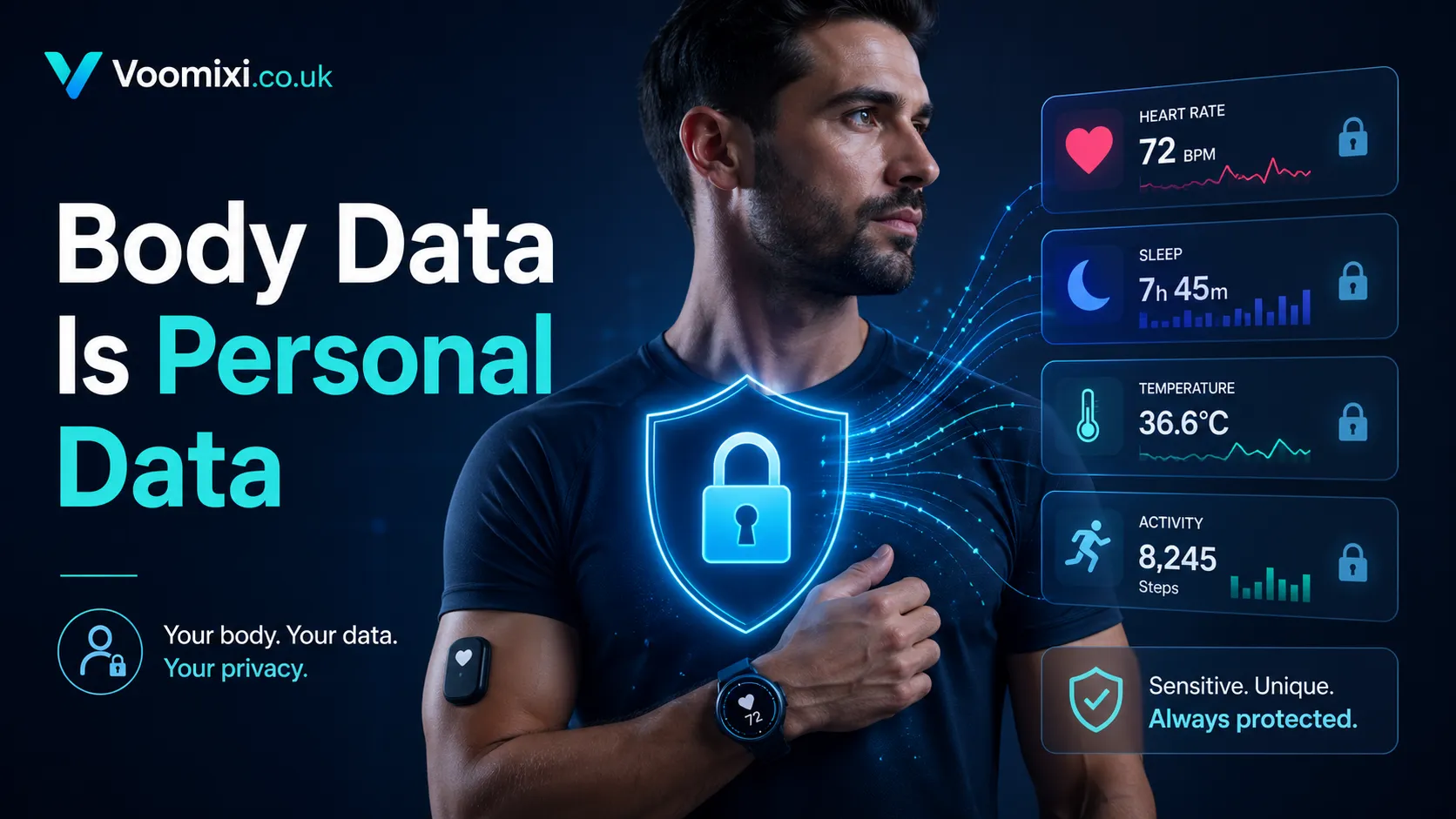
Most people are used to sharing basic digital data, such as email addresses, browsing preferences, or app activity. IoB data is different because it comes from the body itself.
A fitness tracker may collect heart rate and sleep patterns. A continuous glucose monitor may collect blood sugar trends. A connected medical device may transmit health-related readings. Future or advanced IoB systems may go even deeper, involving implants, smart pills, or neural interfaces.
This raises a higher ethical standard because body data can be deeply personal. It may reveal information a person did not intend to share. It may also be useful to advertisers, insurers, employers, healthcare companies, researchers, or malicious actors.
The Federal Trade Commission has warned that health apps and connected devices increasingly collect and share health information online, while the Health Breach Notification Rule may apply to certain health apps and connected devices that are not covered by traditional health privacy systems.
That is why ethics in this space must focus on practical protection, not just broad promises.
Key Ethical Principles Behind IoB Content
A responsible IoB-focused platform should help readers understand both the promise and the risk of body-connected technology. The following principles are especially important.
1. Privacy Should Be Treated as a Core Right
Privacy is not a minor feature when a device collects body data. It is central to user safety.
A person should know what data is being collected, why it is collected, how long it is stored, and whether it may be shared with third parties. Vague statements are not enough when the information involves health, movement, biological patterns, or medical behavior.
For readers exploring iofbodies.com ethics, this is one of the first things to notice. A useful article about IoB should not only describe what a device can do. It should also explain what kind of personal data may be involved.
2. Consent Must Be Clear and Meaningful
Consent should not be hidden in long, confusing terms. It should be easy to understand.
In IoB, meaningful consent means the user understands:
- What data is collected
- Whether the data is shared
- Whether the data is sold or used commercially
- Whether the user can delete it
- Whether the user can stop collection later
- What happens if the device or app changes ownership
This matters because many people accept digital terms quickly without reading them. With body data, that habit can create serious risk.
3. Data Ownership Should Be Easy to Understand
One of the hardest IoB ethics questions is simple: who owns the data produced by your body?
A device may sit on your wrist, inside your body, or near your skin. The data may describe your health or behavior. Yet the app provider, device company, cloud service, or third-party partner may also claim rights to store, process, or analyze it.
IofBodies.com has published content around the question of who owns body data in IoB systems, including concerns around biometric data, internal sensors, and continuous health monitoring.
For readers, the practical takeaway is clear: never assume body data stays only with you. Always check the privacy policy, device settings, and sharing permissions.
4. Security Is a Safety Issue, Not Just a Technical Issue
When a normal account is hacked, the damage may include stolen passwords, messages, or payment details. When a connected health device is compromised, the risk can involve physical safety, medical privacy, or device performance.
The FDA has issued guidance for medical device cybersecurity, including recommendations for secure design, labeling, and documentation in premarket submissions.
This shows why IoB security should not be treated as a background concern. Strong cybersecurity is part of ethical design. Weak security can expose users to harm even when the device itself is useful.
Quick Comparison: Normal Digital Data vs Body Data
| Area | Normal Digital Data | Body or IoB Data |
|---|---|---|
| Common examples | Email, clicks, app use | Heart rate, glucose, sleep, movement |
| Sensitivity level | Often moderate | Often high |
| Personal impact | Identity, preferences, activity | Health, biology, behavior, safety |
| Main risk | Tracking, spam, fraud | Medical privacy, discrimination, misuse |
| Ethical standard needed | Clear privacy and security | Strong privacy, security, consent, and control |
This comparison explains why IoB ethics deserves extra attention. Body data can be harder to separate from a person’s identity and wellbeing.
Read must: 5starsstocks .com: What to Know
What Readers Should Check on IofBodies.com
Readers can use IofBodies.com as an educational resource, but they should still read it with care. Any site that discusses health technology, body sensors, or connected devices should be evaluated for clarity and responsibility.
Check the Purpose of the Content
Ask what the page is trying to do. Is it explaining a concept, reviewing a device, discussing risk, or encouraging adoption?
A trustworthy page should make its purpose clear. It should not pressure readers into using sensitive technology without explaining the trade-offs.
Check Whether Claims Are Balanced
IoB technology can support better health tracking, remote care, and personal wellness insights. It can also create privacy, security, and consent concerns.
A balanced article should explain both sides. If a page only highlights benefits and ignores risk, readers should slow down.
Check for Medical Boundaries
Health-related content should avoid making careless promises. Articles about trackers, sensors, or health apps should not imply that technology can replace professional medical care.
Readers should be especially careful with content that sounds too certain about diagnosis, treatment, or health outcomes.
Check Whether Privacy Is Discussed Clearly
A strong IoB ethics page should mention privacy in concrete terms. It should explain data collection, sharing, storage, security, and user control.
General phrases like “your data is safe” are not enough unless they are supported by details.
Practical Checklist Before Trusting IoB Information

Before relying on any IoB-related website, article, app, or device recommendation, use this checklist:
- Does the content explain what data is collected?
- Does it mention privacy risks in clear language?
- Does it separate education from medical advice?
- Does it avoid exaggerated promises?
- Does it explain who may access the data?
- Does it discuss security or device safety?
- Does it encourage readers to review official device or app policies?
- Does it acknowledge uncertainty where technology is still developing?
This checklist helps readers avoid blind trust. It also makes it easier to separate useful education from weak or promotional content.
Common Misunderstandings About iofbodies.com Ethics
Myth 1: IoB Ethics Is Only About Privacy
Privacy is important, but it is not the whole issue. IoB ethics also includes consent, security, accessibility, fairness, data ownership, medical accuracy, and user autonomy.
A device may protect privacy but still create ethical problems if users do not understand how it affects their choices.
Myth 2: Wearables Are Always Low Risk
Many people see wearables as harmless because they are common. But even simple devices can collect sensitive information about sleep, heart rate, activity levels, location, and routines.
The risk depends on what data is collected, how it is stored, and who can access it.
Myth 3: Health Data Is Always Protected by Medical Privacy Rules
Not all health-related data is handled in the same way. Some health apps and connected devices may fall outside traditional healthcare privacy structures, depending on how they operate and who provides them.
The FTC’s Health Breach Notification Rule is one example of how consumer health apps and connected devices can raise privacy and breach-notification issues beyond hospitals and doctors’ offices.
Myth 4: Ethical Technology Means Risk-Free Technology
No connected system is completely risk-free. Ethical technology means risks are identified, reduced, explained, and managed honestly.
For IoB, ethical design should include privacy protection, secure architecture, user control, clear communication, and responsible data handling.
Red Flags Readers Should Notice
When reading about IoB platforms, devices, or ethics, certain warning signs deserve attention.
Be cautious if a website or product page:
- Promises major health improvements without evidence
- Avoids explaining privacy risks
- Uses technical language without clear meaning
- Does not identify whether content is educational or advisory
- Makes body data collection sound harmless
- Fails to discuss consent or user control
- Encourages trust without giving practical reasons
- Treats connected body technology as only positive
These red flags do not always mean a source is unsafe. But they do mean readers should verify information elsewhere before making decisions.
The Ethical Balance: Innovation vs Protection
IoB technology can be valuable. It may help people monitor health, manage chronic conditions, improve fitness routines, support remote care, and understand their bodies better.
But the same technology can create serious concerns if companies collect too much data, explain too little, or fail to secure their systems.
The ethical balance is not about rejecting innovation. It is about making sure innovation respects people.
That means:
- Users should understand what they are agreeing to.
- Data collection should be limited to what is necessary.
- Security should be built into the device or platform.
- Sensitive information should not be shared carelessly.
- People should be able to make informed decisions.
- Companies should be accountable when something goes wrong.
This is the standard readers should keep in mind when exploring iofbodies.com ethics or any similar IoB-focused source.
What Matters Most for Readers
The most important point is simple: body-connected technology deserves a higher level of caution than ordinary digital tools.
If a website explains IoB clearly, discusses real risks, and avoids hype, it can help readers make better decisions. If it skips privacy, security, or consent, it leaves out the most important part of the conversation.
For iofbodies.com, readers should approach the site as an educational resource about the Internet of Bodies. Its value depends on how clearly each page explains the technology, how responsibly it handles ethical concerns, and how well it encourages readers to think before trusting connected body systems.
Final Thoughts
iofbodies.com ethics is not just about one website. It is about the wider responsibility attached to technologies that collect data from the human body.
The Internet of Bodies can support better health insights and more personalized digital experiences. Yet it also raises serious questions about privacy, consent, ownership, security, and trust.
Readers should welcome useful information, but they should not accept vague claims at face value. The safest approach is to read carefully, check privacy details, understand the limits of the technology, and treat body data as deeply personal.
FAQs
What does iofbodies.com ethics mean?
It refers to the ethical issues linked to IofBodies.com’s coverage of the Internet of Bodies, including privacy, consent, data ownership, security, and responsible use of body-connected technology.
Is IofBodies.com a medical website?
IofBodies.com appears to be an informational website about the Internet of Bodies and related technologies. Readers should not treat it as a substitute for medical advice or official device guidance.
Why is body data more sensitive than normal online data?
Body data can reveal health patterns, physical behavior, sleep, movement, biological signals, and personal routines. This makes it more private and potentially more harmful if misused.
What should I check before trusting IoB technology?
Check what data is collected, who can access it, how it is stored, whether it can be deleted, what security protections exist, and whether the company explains risks clearly.
Is IoB technology bad for privacy?
Not always. IoB technology can be useful, but it must be designed and used responsibly. Privacy risk depends on data collection, consent, storage, sharing, and security practices.
